Most drivers in Central Arkansas have wondered, where do most car accidents happen? The answer often points to everyday locations across Little Rock where traffic flow, road design, and driver behavior intersect. Crashes frequently occur in urban intersections and busy residential areas, while more severe injuries tend to happen on rural highways where higher speeds and limited visibility create greater risks. Intersections, freeway ramps, and parking lots also appear regularly in Arkansas crash reports, illustrating how collisions tend to cluster in places we drive through every day.
Recognizing these patterns can help you stay alert to changing roadway conditions. If you or someone close to you has been injured in one of these common hotspots, a Little Rock car accident lawyer at Taylor King Law can explain your options and guide you through the steps that follow.
Contact Personal Injury Attorneys in Arkansas
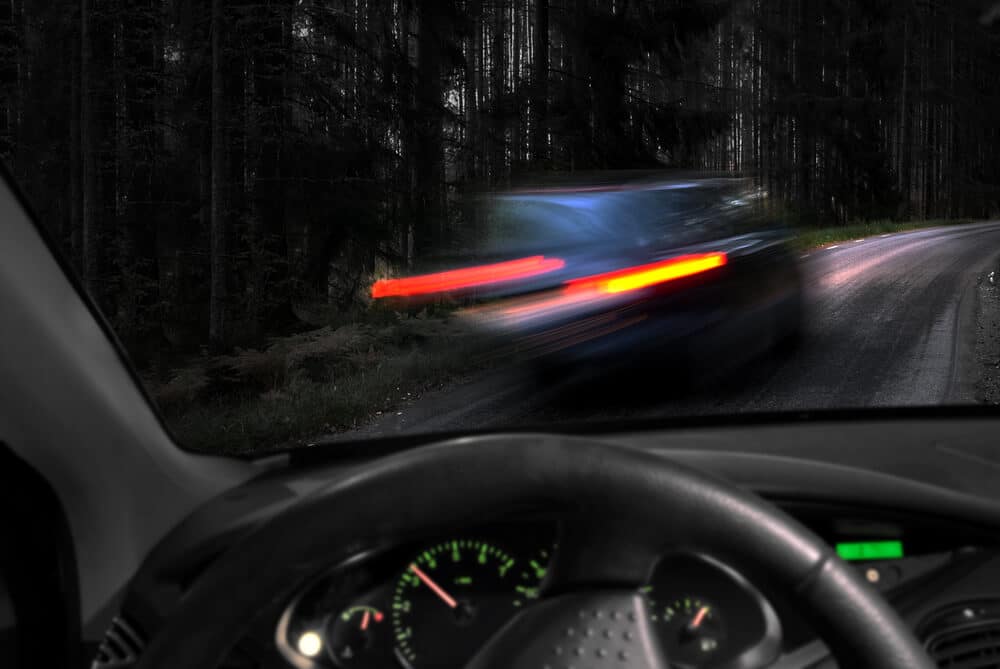
Arkansas highways, including stretches outside Little Rock, often feel less chaotic because they carry lighter traffic. That calm, however, can be misleading. High-speed travel, limited lighting, long distances between stops, and uneven road conditions create circumstances where a single mistake can lead to devastating harm. Rural portions of I-30, I-40, Highway 167, and similar corridors frequently involve collisions tied to speeding, drifting out of lanes, or losing control on curves.
The severity of these crashes is reflected in statewide data. According to the Arkansas Center for Health Improvement, the state recorded 21.1 roadway deaths per 100,000 people, giving it one of the highest fatality rates in the nation. These numbers reinforce how dangerous rural crashes can be, not because they are the most common, but because the force of impact at higher speeds leaves far less room for recovery. While many collisions inside Little Rock involve property damage or non-life-threatening injuries, crashes on rural highways are more likely to result in critical harm.
By comparison, urban intersections in Little Rock experience frequent collisions for very different reasons. These areas funnel multiple lanes of traffic into shared spaces, require constant decision-making, and involve quick transitions between stopping and accelerating. Roads such as Asher Avenue, Colonel Glenn Road, Cantrell Road, Chenal Parkway, University Avenue, and Broadway see heavy daily use by commuters, shoppers, and commercial vehicles, creating a steady mix of movement that increases the likelihood of driver misjudgment.
Intersections are also among the most common responses to the question “where do most car accidents happen?” The constant flow of turning vehicles, changing signals, and distracted drivers checking navigation or mobile devices creates an environment where a split-second mistake can cause a crash. Failures to yield, red-light running, improper turns, and sudden braking all contribute to the high volume of intersection-related injuries throughout Little Rock.
Although residential streets often feel safer because of lower speed limits, their familiarity can cause drivers to let their guard down. Many collisions occur close to home, where parked cars, school zones, and frequent driveways narrow sightlines, making it harder to see approaching vehicles or pedestrians, especially during busy morning hours. Backing incidents, sideswipes, and pedestrian collisions are common in these environments.
Neighborhoods throughout Little Rock, including Hillcrest, Midtown, West Little Rock subdivisions, and areas near Riverdale, report steady crash activity tied to everyday conditions. Children walking or biking, delivery vehicles stopping without warning, and drivers using neighborhood roads as shortcuts all increase the likelihood of a crash. These streets show that slower speeds do not eliminate danger when visibility is limited or attention slips.
No Fees Unless We WinGet In Touch With Us
1-800-305-0529
Parking lots and driveways may seem less hazardous than major roads, but collisions still occur there regularly. Vehicles constantly pull in and out while pedestrians cross between cars, creating unpredictable traffic patterns. Many drivers also lower their guard once they leave the main roadway, which increases the chance of a low-speed collision catching them unprepared.
Retail parking areas across Little Rock see frequent accidents, particularly near grocery stores, malls, shopping centers, and office complexes. Angled spaces and tight lanes reduce visibility, especially when drivers are searching for open spots or are distracted by their surroundings. Although these crashes occur at lower speeds, they still cause real injuries. Whiplash, back strains, and head trauma are common when one vehicle backs out without warning or turns suddenly into another driver’s path.
Driver behavior plays a major role in crashes across Arkansas. According to the Toward Zero Deaths Arkansas initiative, 648 fatal collisions occurred on state roads, and many involved one of the four Ds: Drinking and Driving, Distracted Driving, Drugged Driving, or Drowsy Driving. These patterns are often deadly, with roughly a third of fatal crashes involving alcohol and distracted driving fatalities increasing each year, creating ongoing safety concerns for communities statewide.
These behaviors heavily influence where most car accidents happen, because impaired or inattentive drivers struggle to respond to complex situations. On highways, distraction can lead to high-speed lane departures or rear-end collisions. In neighborhoods, it can prevent drivers from noticing pedestrians. Poor decision-making at intersections leads to more people running red lights and failing to yield the right-of-way.
Understanding how driver decisions influence collision patterns helps explain why certain locations experience a higher frequency of crashes in Little Rock and its surrounding communities.
Collisions in areas known for frequent crashes, whether at intersections, in neighborhoods, on rural highways, or in parking areas, often leave people unsure of their next steps. Understanding where most car accidents happen provides helpful context, but knowing your rights after a collision is what truly protects your recovery. At Taylor King Law, we are committed to being On Your Side, By Your Side, offering clear guidance and steady support when you need it most.
To speak with a Little Rock car accident lawyer and arrange a free consultation, call 501-712-2554.
Taylor King Taylor King opened the first office in 1994 and has been practicing law for more than 30 years. Those who know him best would describe him as “laser-focused,” which is good news for his clients and bad news for his golf opponents. Memberships & Professional History

This page has been written, edited, and reviewed by a team of legal writers following our comprehensive editorial guidelines. This page was approved by attorney Taylor King, who opened the firm’s first office in 1994 and has been practicing law for more than 30 years.

The question of who pays for the ambulance in a car accident can be confusing, especially when several insurance policies mig...

The phrase “no-fault” often causes confusion for drivers in Little Rock, especially when they ask who pays for car damage...
Key Takeaways Arkansas defines reckless driving as operating a vehicle with willful or wanton disregard for safety. R...
Please describe your accident and the injuries you sustained. One of our experienced injury lawyers will contact you for a free case evaluation. If we’re able to assist and you’re unable to travel, we can meet you at your home, workplace, or hospital.

call for a free consultation
820 W 3rd Street
Little Rock, AR 72201
Phone: 501.712.2554
Toll-Free: 1.877.455.4790
Fax: 870.246.0529
410 N Thompson Street, Suite B
Springdale, AR 72764
Phone: 479.935.1761
Toll-Free: 1.877.283.1274
Fax: 870.293.2475
320 Main Street
Arkadelphia, AR 71923
Phone: 870.246.0505
Toll-Free: 1.877.665.0873
Fax: 870.246.0529
2620 Prince Street
Conway, AR 72034
Phone: 501.712.2554
Toll-Free: 1.877.696.8695
Fax: 870.246.0529
1920 East Matthews Avenue
Jonesboro, AR 72401
Phone: 870.568.1158
Toll-Free: 1.877.589.2660
Fax: 870.520.5099
3801 Rogers Avenue
Fort Smith, AR 72903
Phone: 479.668.3198
Toll-Free: 1.877.899.3202
Fax: 479.234.4216
 call
call  message