Rear-end collisions, T-bone side-impacts, head-on collisions, and rollovers are among the most common types of car accidents on Arkansas roads, frequently caused by speeding, distracted driving, or failure to yield. These crashes can be single or multi-vehicle and often produce injuries like whiplash, with sideswipes, merging accidents, and intersection collisions adding to a pattern that plays out across Little Rock every day.
Each collision type carries its own legal consequences, and the difference between a rear-end impact and a head-on crash matters when assigning fault and determining compensation. A Little Rock car accident lawyer from Taylor King Law can review the facts, identify who is responsible, and help you understand what your case is worth.
Contact Personal Injury Attorneys in Arkansas
Arkansas highways and city streets see all of these collision patterns regularly. I-30 and I-40 carry heavy freight and passenger traffic through the Little Rock metro, while high-activity surface streets provide constant exposure at intersections. Each type of car accident follows its own logic, and understanding that logic shapes how a claim is built and what it can recover.
Rear-end collisions occur when one driver strikes the vehicle ahead, usually due to following too closely, distraction, or an inability to stop in time. Even a low-speed impact can produce whiplash, a soft-tissue neck injury that may not surface for hours or days after the crash.
Intersection accidents, including T-bone and side-impact collisions, often involve disputed fault. When a driver runs a stop sign or fails to yield on a left turn, the vehicle takes the hit at the door panel, where occupants have the least structural protection. In Little Rock, where intersection volumes are high, both crash types require careful evidence gathering to establish who was responsible and to what degree.
For a broader look at how these crashes compare statewide, review the 2025 Arkansas accident report.
Head-on collisions occur when two vehicles traveling in opposite directions make frontal contact, most often on two-lane rural highways when a driver crosses the center line, attempts an unsafe pass, or drifts from fatigue or impairment. On higher-speed roads, the consequences are severe.
Unlike a rear-end crash, where one vehicle absorbs most of the force, a head-on impact combines the speed of both vehicles at a single point of contact. Even a properly restrained occupant may sustain traumatic brain injury, spinal damage, internal bleeding, or broken bones, and recovery often requires extended hospitalization, surgery, and rehabilitation. That severity increases both the complexity and the potential value of the resulting claim.
Stay safe on every trip: Read Rideshare Safety Tips for Uber and Lyft Riders in Little Rock to protect yourself before stepping into your next ride and: Read Is Uber Liable for Accidents in Arkansas? to learn how driver status dictates insurance coverage and when the company can be held accountable.
Chain-reaction crashes begin with a single collision that pushes one car into another. On congested stretches of I-430 or during heavy rain on the I-40 bridge, a sudden stop can ripple across multiple lanes, causing overlapping damage and raising serious questions about who bears responsibility for each point of contact.
Fault rarely falls on one driver. The lead driver, a tailgating vehicle, a trucking company with poorly maintained brakes, or a municipality that ignored a known road hazard may each share liability. These cases require prompt investigation before evidence disappears, which is why involving an attorney early matters.
Separate fact from fiction after an accident: Read Car Crash Myths in Arkansas: True or False? to learn why skipping the ER won’t ruin your claim, how hidden injuries occur without vehicle damage, and how Arkansas Code § 16-64-122 comparative fault rules protect your right to compensation.
A single-vehicle accident does not automatically mean the driver was at fault. Potholes, missing guardrails, inadequate signage, construction debris, and sudden flooding can all cause a loss of control, even when the driver is at fault. A road defect, a failed stability control system, or a tire blowout caused by a manufacturing defect can shift liability entirely to a government agency, contractor, or product manufacturer. The absence of another vehicle does not close the door on a claim; it simply shifts the investigation’s focus.
Protect your family after a campus crash: Read My College Student Got in an Accident With My Car: What Should I Do? to learn how Arkansas auto insurance coverage follows the vehicle under Ark. Code § 27-22-104, when parents face negligent entrustment claims, and how Ark. Code § 16-64-122 comparative fault rules affect recovery.
No Fees Unless We Win
The cause of a crash is what connects the collision to a specific party’s negligence, and negligence is what makes a claim viable. The most common contributing factors in Arkansas include:
Proving that a driver who was texting, speeding, or impaired failed to exercise reasonable care, and linking that failure directly to the harm caused, is the foundation of every personal injury claim.
Important information about Is It Illegal to Drive With Headphones in Arkansas? and Who Is Liable in a Bus Accident in Arkansas?
Arkansas law shapes how fault is allocated once the collision type is established. Under Arkansas Code § 16-64-122, the state follows a modified comparative fault system. An injured person may recover compensation as long as their share of fault is below 50 percent, though any award is reduced in proportion to their assigned responsibility.
This rule makes the accident type directly relevant. A rear-end collision generally produces a clear picture, while a T-bone at an intersection turns on camera footage, physical evidence, and witness accounts. A multi-vehicle crash may involve competing claims from several insurers at once, and the more complex the collision, the more critical it becomes to have an attorney who can build a complete factual record.
Understanding the types of car accidents on Arkansas roads is the first step toward building a strong claim. At Taylor King Law, our team can review the facts of your case and help you understand your options. Call (501) 712-2554 to schedule a free consultation with a Little Rock car accident lawyer today.
In addition to serving clients in Little Rock, our firm maintains offices in Arkadelphia, Conway, Fort Smith, Hot Springs, Jonesboro, Rogers, and Springdale.
Taylor King Taylor King opened the first office in 1994 and has been practicing law for more than 30 years. Those who know him best would describe him as “laser-focused,” which is good news for his clients and bad news for his golf opponents. Memberships & Professional History

This page has been written, edited, and reviewed by a team of legal writers following our comprehensive editorial guidelines. This page was approved by attorney Taylor King, who opened the firm’s first office in 1994 and has been practicing law for more than 30 years.

Dealing with the impact of a car wreck can be overwhelming. The last thing you need is an accident report with incorrect in...
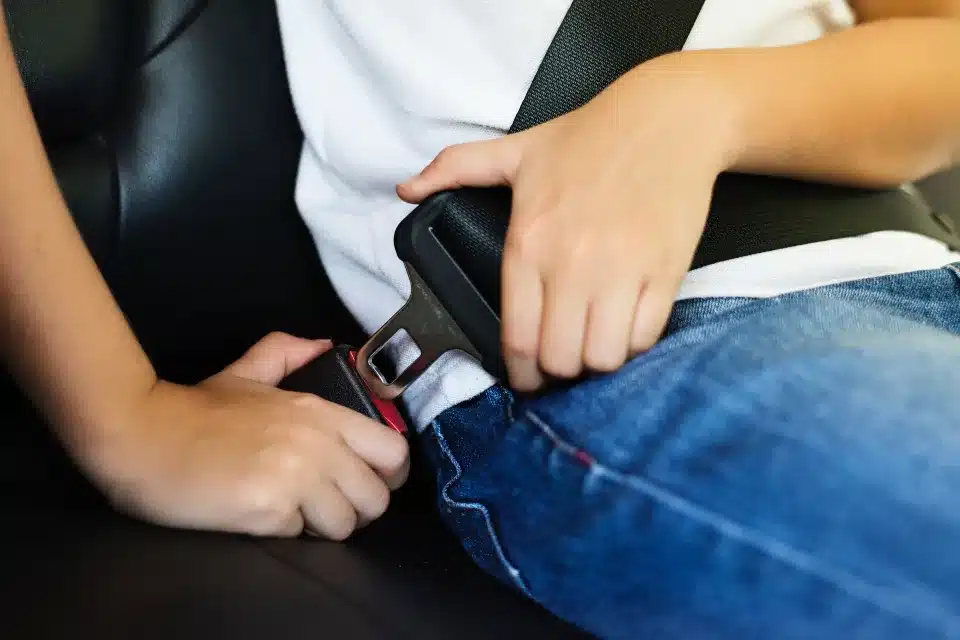
Key Takeaways Arkansas requires drivers and front seat passengers to wear seat belts. Passengers under age 15 must wear...

Key Takeaways Car accident reports in Arkansas provide the official record and often influence fault and insurance decis...
Please describe your accident and the injuries you sustained. One of our experienced injury lawyers will contact you for a free case evaluation. If we’re able to assist and you’re unable to travel, we can meet you at your home, workplace, or hospital.

call for a free consultation
820 W 3rd Street
Little Rock, AR 72201
Phone: 501.712.2554
Toll-Free: 1.877.455.4790
Fax: 870.246.0529
410 N Thompson Street, Suite B
Springdale, AR 72764
Phone: 479.935.1761
Toll-Free: 1.877.283.1274
Fax: 870.293.2475
320 Main Street
Arkadelphia, AR 71923
Phone: 870.246.0505
Toll-Free: 1.877.665.0873
Fax: 870.246.0529
2620 Prince Street
Conway, AR 72034
Phone: 501.712.2554
Toll-Free: 1.877.696.8695
Fax: 870.246.0529
1920 East Matthews Avenue
Jonesboro, AR 72401
Phone: 870.568.1158
Toll-Free: 1.877.589.2660
Fax: 870.520.5099
3801 Rogers Avenue
Fort Smith, AR 72903
Phone: 479.668.3198
Toll-Free: 1.877.899.3202
Fax: 479.234.4216
 call
 message