GLP-1 Lawsuit | Arkansas Law Firm Investigating Ozempic, Wegovy, Rybelsus, Trulicity, Mounjaro, & Zepbound Claims
Taylor King Law is actively investigating GLP-1 lawsuits on behalf of individuals who developed serious health complications after taking popular diabetes and weight-loss drugs such as Ozempic, Wegovy, Mounjaro, Zepbound, Trulicity, and Rybelsus.
Mounting evidence suggests these GLP-1 receptor agonist medications may be linked to vision loss related to NAION and gastroparesis (stomach paralysis) and other severe injuries. Patients in Arkansas and across the U.S. are now pursuing legal action through a GLP-1 lawsuit to seek compensation for their losses.
Arkansas GLP-1 Lawsuits: What’s Driving These Claims?
CNN has reported that physicians are seeing an increase in patients suffering from stomach paralysis after using GLP-1 drugs. Additionally, the U.S. Food and Drug Administration (FDA) has received adverse event reports connecting GLP-1 receptor agonists to gastroparesis and gastric obstruction.
According to CBS News, a GLP-1 lawsuit was filed by a woman who began Ozempic injections in 2022 and later developed severe stomach paralysis. According to her claim, switching to another GLP-1 medication did not resolve her condition.
Many Arkansas GLP-1 lawsuits allege that manufacturers, including Novo Nordisk and Eli Lilly, failed to adequately warn patients and healthcare providers about the heightened risk of gastroparesis and stomach paralysis associated with these drugs.
Further, new studies now suggest patients taking GLP-1 drugs are twice as likely to develop Non-Arteritic Anterior Ischemic Optic Neuropathy (NAION).
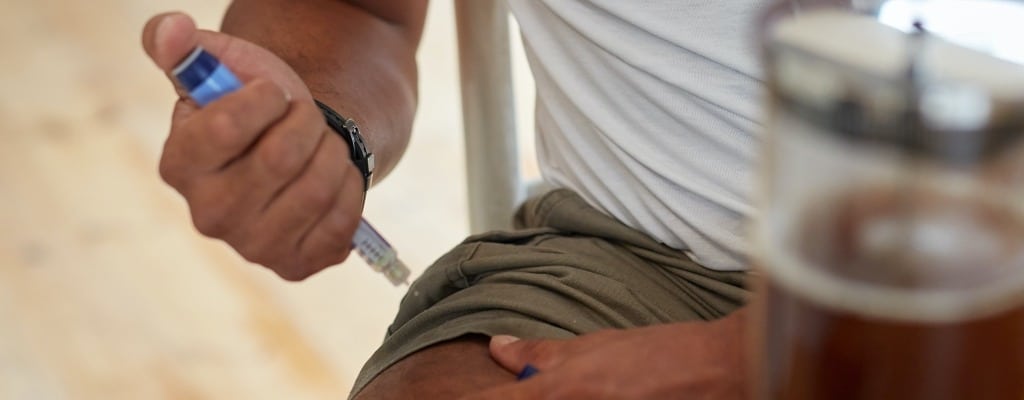
Do You Qualify for a GLP-1 Lawsuit in Arkansas?
You may be eligible to file a GLP-1 lawsuit in Arkansas if you or a loved one were injured after taking a GLP-1: Ozempic, Wegovy, Mounjaro, Trulicity, Zepbound, or Rybelsus.
You may qualify if you:
- Took brand-name Ozempic, Wegovy, Rybelsus, or others
- Were diagnosed with gastroparesis, stomach paralysis, gastric obstruction, or vision loss related to NAION
What Is Required to Qualify for a GLP-1 Lawsuit Case Review?
Our firm is currently reviewing GLP-1 lawsuit claims involving only specific, medically documented injuries. To be considered for a case evaluation, the following criteria must be met.
Eligible Diagnoses
We are reviewing cases involving documented diagnoses of:
- Gastroparesis, stomach paralysis, or gastric stasis
- Ileus or intestinal obstruction, including bowel blockage
- Non-Arteritic Anterior Ischemic Optic Neuropathy (NAION), sudden vision loss
Your medical records must confirm that you received medical treatment or were hospitalized for one of the above conditions.
Proof of Brand-Name GLP-1 Drug Use
To qualify, you must provide evidence that you used a brand-name GLP-1 receptor agonist, such as:
- Ozempic
- Trulicity
- Wegovy
- Mounjaro
- Rybelsus
- Zepbound
Acceptable proof may include prescription records, medical charts showing the medication was prescribed, or pharmacy packaging labeled with your name.
Cases We Are Not Currently Reviewing
At this time, we are not reviewing claims involving:
- Pancreatitis, pancreatic cancer, or other pancreatic injuries
- Gallbladder removal, gallstones, or gallbladder-related conditions
- Thyroid disorders
- Common side effects listed on drug labels, such as nausea, vomiting, or diarrhea
Compensation Available in an Arkansas GLP-1 Lawsuit
An Arkansas GLP-1 lawsuit may allow injured patients to recover compensation for:
Our Arkansas law firm is committed to holding drug manufacturers accountable and pursuing maximum financial compensation for GLP-1 injury victims.
GLP-1 Lawsuit MDL Update (June–November 2025)
From June through November 2025, the GLP-1 receptor agonist multidistrict litigation (MDL 3094) expanded rapidly, with the number of pending lawsuits increasing from approximately 1,882 cases in early June to more than 2,900 cases by early November, according to reports from the Judicial Panel on Multidistrict Litigation (JPML).
Throughout this period, the court issued several important rulings shaping the scope of allowable claims. Judge Gene E.K. Marston clarified that plaintiffs may pursue claims involving gastroparesis, provided the condition is supported by objective diagnostic testing, as well as vision-related injuries, including Non-Arteritic Anterior Ischemic Optic Neuropathy (NAION). The court also required that gastroparesis claims be confirmed by properly conducted gastric emptying studies.
The litigation continued to broaden in September 2025, with new lawsuits alleging additional gastrointestinal injuries such as ileus, and Eli Lilly filed a motion seeking to centralize federal vision-loss (NAION) claims within MDL 3094 or create a separate MDL under the same judge.
Regulatory developments further intensified scrutiny of GLP-1 drugs. In June 2025, the European Medicines Agency (EMA) formally concluded that semaglutide-containing medications, including Ozempic, Wegovy, and Rybelsus, may cause rare but serious cases of NAION. The EMA reported that semaglutide users faced more than double the risk of developing NAION compared to patients on other diabetes medications and recommended updating drug labels to reflect this risk.
Overall, these developments underscore the rapid growth, expanding scope, and increasing regulatory attention surrounding GLP-1 lawsuits involving gastroparesis and vision loss.
What’s the Latest with GLP-1 Lawsuits?
A federal judicial panel has created a new multidistrict litigation (MDL) in Pennsylvania to centralize lawsuits alleging that GLP-1 weight-loss drugs caused vision loss, including NAION, placing the cases before Judge Karen Marston. The panel ruled the vision-loss claims should proceed separately from the existing gastroparesis MDL due to distinct medical and legal issues, despite some overlap. (Reuters)
What Are GLP-1 Drugs?
Ozempic, Wegovy, Rybelsus, Mounjaro, and Zepbound are part of a drug class known as GLP-1 receptor agonists. Wegovy, Ozempic, and Rybelsus contain semaglutide, a compound that mimics a naturally occurring hormone to slow digestion and reduce appetite. Mounjaro and Zepbound contain terzepatide, which works as a dual glucose-dependent insulinotropic polypeptide (GIP) and glucagon-like peptide-1 (GLP-1) receptor agonist.
While these drugs are effective for blood sugar control and weight loss, slowing stomach emptying may increase the risk of delayed gastric emptying, bezoars, and gastroparesis, and NAION—key issues in many GLP-1 lawsuits.
What Is Gastroparesis?
Gastroparesis is a serious digestive disorder in which the stomach cannot properly move food into the small intestine. Patients often experience chronic nausea, vomiting, bloating, abdominal pain, malnutrition, and unstable blood sugar levels.
There is currently no cure for gastroparesis, and treatments generally provide only limited symptom relief.
Common Symptoms of Gastroparesis
The most frequently reported symptoms include:
- Nausea, especially after eating
- Vomiting, often of undigested food
- Feeling full quickly after eating small amounts
- Abdominal bloating or swelling
- Upper abdominal pain or discomfort
- Loss of appetite
- Unintentional weight loss
Additional Symptoms
Gastroparesis can also affect nutrition and blood sugar control, leading to:
- Acid reflux or heartburn
- Fluctuating blood sugar levels, especially in people with diabetes
- Fatigue or weakness
- Malnutrition
- Dehydration from repeated vomiting
Severe or Advanced Symptoms
In more serious cases, gastroparesis may cause:
- Persistent vomiting that does not improve
- Bezoars (hardened masses of undigested food in the stomach)
- Stomach or intestinal blockages
- Electrolyte imbalances
- Emergency room visits or hospitalization
When Symptoms Often Appear
Many patients report that symptoms:
- Begin gradually
- Worsen after meals
- Become more noticeable over weeks or months
- Appear or intensify after starting certain medications, including GLP-1 receptor agonists
Why These Symptoms Matter in GLP-1 Lawsuits
Gastroparesis symptoms can be life-altering and, in severe cases, life-threatening. Persistent digestive dysfunction, weight loss, and unstable blood sugar levels often interfere with daily activities, work, and overall quality of life—making gastroparesis a serious injury in GLP-1 lawsuits.

Whether you choose to hire an attorney or not, calling a personal injury attorney in Arkansas will provide you with the information you need to make wise decisions. At Taylor King Law, we’ll listen and then help you explore all your options. Our attorneys answer the question, “Do I have a personal injury case?” every day. You can trust we’ll give you the honest answers you need to decide whether you need representation for your injury claim.
Taylor King
GLP-1 Lawsuit Involving Vision Loss: What Is NAION?
In addition to gastroparesis and stomach paralysis claims, attorneys are now investigating GLP-1 lawsuits involving permanent vision loss, including a serious eye condition known as Non-Arteritic Anterior Ischemic Optic Neuropathy (NAION).
NAION occurs when blood flow to the optic nerve is suddenly reduced, causing damage to the nerve that transmits visual information from the eye to the brain. This loss of circulation can result in sudden, painless vision loss, often discovered upon waking.
How NAION Causes Vision Loss
The optic nerve depends on a steady supply of oxygen-rich blood. In NAION, that blood supply is disrupted—not due to inflammation or a blocked artery, but because of insufficient circulation in the small blood vessels serving the optic nerve.
When this occurs:
- Optic nerve tissue is damaged
- Visual signals cannot properly reach the brain
- Vision loss develops rapidly and without warning
In most cases, the vision loss caused by NAION is permanent and irreversible.
Symptoms of NAION Reported in GLP-1 Lawsuits
Individuals pursuing a GLP-1 lawsuit for vision loss often report symptoms such as:
- Sudden blurred or dim vision in one eye
- Partial vision loss, often affecting the upper or lower visual field
- Loss of color perception or contrast sensitivity
- Dark or gray areas in the field of vision
- Vision loss noticed immediately upon waking
Although NAION typically affects one eye, patients face an increased risk of the condition occurring in the other eye.
Why NAION Is Being Investigated in GLP-1 Lawsuits
Medical researchers and attorneys are examining whether GLP-1 receptor agonist drugs—including Ozempic, Wegovy, Rybelsus, Trulicity, Mounjaro, and Zepbound—may increase the risk of NAION in certain patients.
The European Medicines Agency (EMA) has confirmed that Novo Nordisk’s Ozempic and Wegovy may cause non-arteritic anterior ischemic optic neuropathy (NAION), a serious eye condition that can lead to permanent vision loss. This marks the first time a regulatory authority has formally recognized the link, reinforcing concerns previously raised in clinical studies. (Reuters)
Known risk factors for NAION include:
- Diabetes
- High blood pressure
- High cholesterol
- Sleep apnea
- Smoking
- Medications that affect blood flow or circulation
Because GLP-1 drugs influence metabolic function, blood sugar levels, and physiological processes that may affect circulation, plaintiffs in GLP-1 lawsuits allege that drug manufacturers knew or should have known about the potential risk of optic nerve damage and failed to adequately warn patients and healthcare providers.
NAION Diagnosis and Long-Term Impact
NAION is typically diagnosed by an ophthalmologist or neuro-ophthalmologist through:
- A comprehensive eye exam
- Optic nerve imaging
- Visual field testing
- Review of medical history and medication use
There is currently no proven treatment that can reverse optic nerve damage caused by NAION. While some patients experience limited improvement, many are left with lasting visual impairment or blindness, significantly affecting daily life, independence, and employment.
Filing a GLP-1 Lawsuit for NAION Vision Loss
You may qualify for a GLP-1 lawsuit involving NAION if you:
- Took a brand-name GLP-1 medication (such as Ozempic, Wegovy, or Rybelsus)
- Were diagnosed with Non-Arteritic Anterior Ischemic Optic Neuropathy while taking the drug or shortly after stopping
- Experienced permanent or long-term vision impairment
A successful GLP-1 lawsuit involving NAION may allow recovery for:
- Medical and vision-related expenses
- Lost income and reduced earning capacity
- Pain and suffering
- Loss of quality of life
Speak With a GLP-1 Injury Attorney
If you or a loved one developed gastroparesis, stomach paralysis, or NAION-related vision loss after taking a GLP-1 drug, you may have a valid GLP-1 lawsuit.
A free consultation with Taylor King Law can help you understand your legal options and determine whether you qualify for compensation.
Why Choose an Arkansas Law Firm for Your GLP-1 Lawsuit?
Working with a local Arkansas law firm ensures:
- Familiarity with Arkansas courts and procedures
- Personalized, local representation
- Direct communication with your legal team
- No-cost consultations and contingency-fee representation
Contact an Arkansas GLP-1 Lawsuit Attorney Today
If you or a loved one in Arkansas developed gastroparesis, stomach paralysis, gastric obstruction, or permanent vision loss after taking Ozempic, Wegovy, Trulicity, Zepbound, Mounjaro, or Rybelsus, you may have a valid GLP-1 lawsuit.
Call (870) 246-0505 or complete our Free Evaluation Form today. There is no obligation and no upfront cost to learn your legal options.
We’ll be on your side, by your side.
Taylor King
Taylor King opened the first office in 1994 and has been practicing law for more than 30 years. Those who know him best would describe him as “laser-focused,” which is good news for his clients and bad news for his golf opponents.
Memberships & Professional History
- Arkansas Trial Lawyers Association
- Arkansas Bar Association
Client Reviews
What Our Clients Are Saying About Us
William Rains
 6 days ago
Attorney Chris Cordero was very kind and put me at ease during this process. He always took the time to listen to my concerns. He’s a professional who actually cares about his clients. I highly recommend the Taylor King Law Firm.
Sheila L. Lambert
1 week ago
If you all are ever in need, the people at Taylor King Law are awesome and caring people. They will do their best to get you all that you rightfully deserve; a trusted law firm.
Dede K.
2 weeks ago
This law firm is awesome. I appreciate everything they have done for me and my family. I totally recommend them for anyone that is needing a lawyer. My mom was so happy when she found out they were willing to help her. Thank you so much Chad Owens.


 call
call  message